
Door lock problems rarely happen at a convenient time. You might discover that your keys are missing just as you are about to leave for work, find yourself locked out after a long day, or notice that your front door no longer locks properly.
Although some issues may appear minor, they can affect your home’s security or leave you unable to access your property. Trying to force a key, dismantle an unfamiliar lock, or push open a stuck door can make the problem worse.
A professional locksmith can identify the cause of the issue, help restore access, and recommend an appropriate repair or replacement. Knowing when to call one can save time, prevent avoidable damage, and help you protect your home.
Here are eight situations when professional locksmith assistance is worth considering.
8 Situations When You Should Call a Professional Locksmith
1. You’ve Lost Your House Keys
Losing your house keys can be stressful, particularly when you do not know whether they have been misplaced or stolen. The immediate concern is getting back inside, but you should also consider whether someone else could use the missing keys to access your home.
If you have lost your keys, start by retracing your steps and checking the places you visited recently. Consider whether someone you trust has a spare key and whether you can safely regain access without damaging the door.
If you are wondering about lost house keys and what to do next, consider these questions:
- Could the keys have been stolen rather than accidentally misplaced?
- Were your keys lost alongside identification or documents showing your address?
- Does anyone else have a spare, and can you verify who has access?
- Is the existing lock secure and functioning correctly?
If the keys were stolen or could be linked to your address, changing the lock or cylinder may be a sensible precaution. A locksmith can help you regain entry, assess the existing hardware, and explain whether replacement is advisable.
If you believe someone may have taken the keys and intends to access your property, prioritise your safety and seek appropriate assistance.
2. You’re Locked Out of Your Home
Being locked out can happen for several reasons. You might leave your keys inside, misplace them while travelling, accidentally shut a door behind you, or discover that a faulty lock will not turn.
Before attempting anything, check whether another authorised entrance is available or whether someone you trust can provide a spare key.
If neither option works, a locksmith can assess the door and determine the appropriate way to restore access. Depending on the lock and circumstances, it may be possible to open the door without replacing the entire mechanism.
Avoid forcing the door, kicking it, or using improvised tools around the lock. These attempts can damage the door, frame, cylinder, or multipoint mechanism, potentially increasing the cost of the repair.
If you need access urgently, ask about emergency locksmith assistance and confirm the expected arrival time and charges before the work begins.
3. Your Door Lock Is Sticking or Difficult to Turn
A lock that becomes difficult to operate may be showing signs of wear or an underlying mechanical problem.
Common warning signs include:
- A key that sticks or requires excessive force to turn.
- A latch that catches when the door closes.
- A deadbolt that does not move smoothly.
- A handle that feels loose or fails to engage the lock.
- A door that locks only when you lift, pull, or push it into position.
These symptoms can result from a worn cylinder, damaged internal components, loose hardware, or a door that has shifted out of alignment.
You may be tempted to keep turning the key harder, but excessive force can cause it to bend or break inside the lock.
A professional locksmith can inspect the mechanism and determine whether it needs adjustment, repair, or replacement. Addressing the problem early may help prevent a minor fault from becoming a lockout or leaving your home unsecured.
4. Your Keys Have Broken Inside the Lock
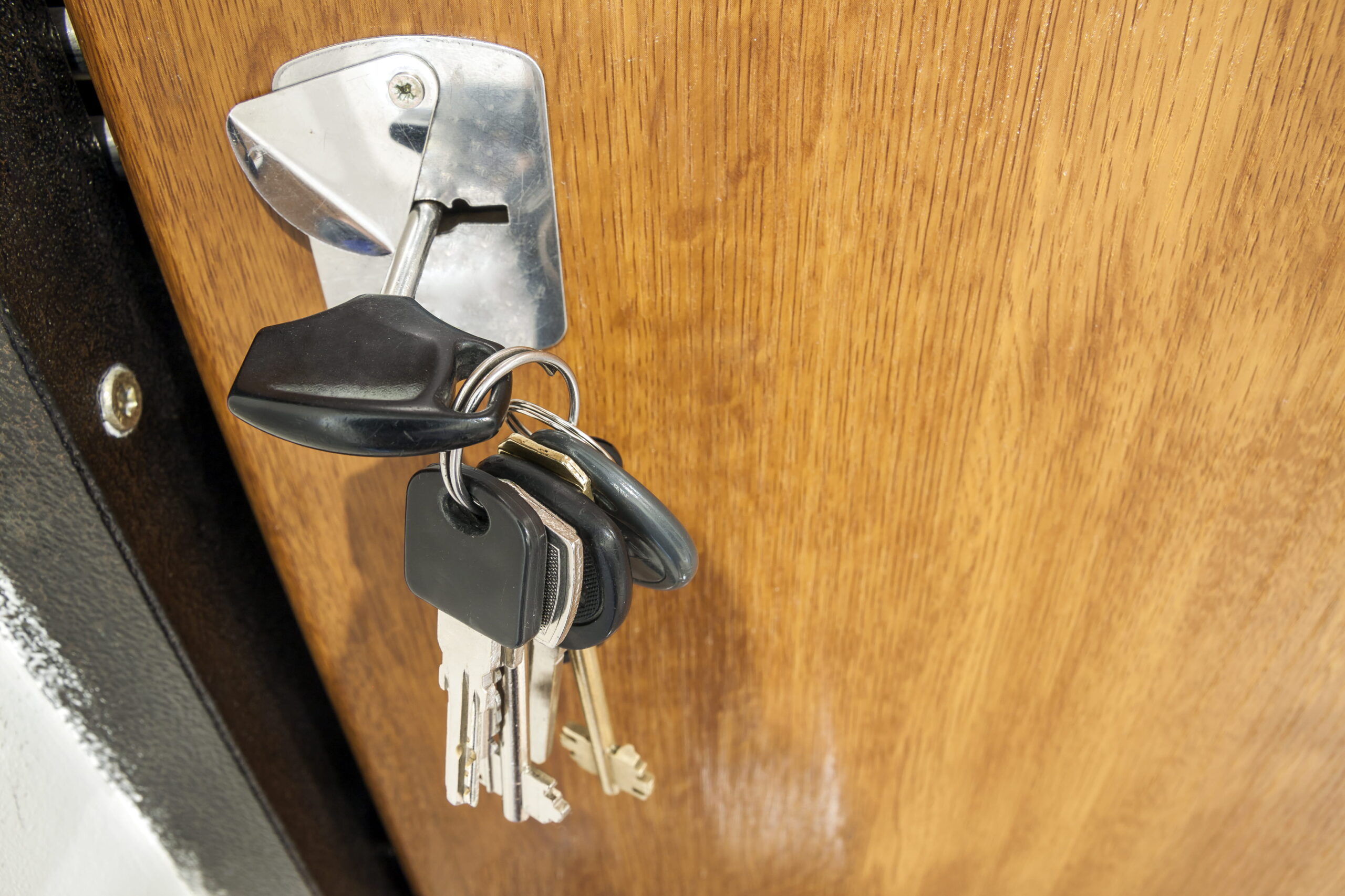
Keys can break when they are worn, bent, damaged, or subjected to excessive pressure. The problem may also occur when a stiff lock makes turning the key unusually difficult.
If a key breaks inside your lock, avoid pushing the fragment farther into the cylinder. Using pins, screwdrivers, or other unsuitable tools may damage the internal components or make removal more difficult.
A professional locksmith can assess the situation and attempt to extract the broken fragment using suitable tools. Once it has been removed, the locksmith can check whether the cylinder still works correctly.
If the lock has suffered internal damage or the key broke because of an underlying fault, replacement may be the more reliable option.
If you have a spare key, keep it available for testing only after the broken fragment has been removed and the lock has been checked. Do not force another key into a damaged mechanism.
5. You’ve Experienced a Break-In or Attempted Burglary
A break-in can leave your home vulnerable even if the intruder did not manage to enter. Damaged cylinders, bent handles, broken latches, and weakened door frames can prevent an entrance from securing properly.
Your first priority should be personal safety. If a crime has occurred, contact the police when appropriate and avoid disturbing potential evidence unnecessarily.
Once it is safe to do so, arrange for the damaged entry point to be assessed and secured. A locksmith can inspect the lock and related hardware, identify compromised components, and recommend suitable repairs or replacements.
Depending on the damage, the work may involve replacing the cylinder, repairing the locking mechanism, fitting new hardware, or identifying damage to the door or frame that requires additional attention.
After the immediate problem has been resolved, consider whether the existing security arrangements need improvement. A professional assessment can help you identify weaknesses without replacing hardware unnecessarily.
6. You’ve Moved Into a New Home
Moving into a new property is a good opportunity to review your home’s security.
Previous occupants, contractors, cleaners, estate agents, or other people may still have copies of the existing keys. Even if the property appears secure, you may not know exactly how many keys are in circulation.
Changing the locks or replacing the cylinders can give you greater control over who can enter your home.
A locksmith can inspect the external doors, identify the existing locking systems, and recommend compatible replacements. Depending on the condition of the hardware, you may only need new cylinders rather than complete locking mechanisms.
This is also a useful time to consider whether your current locks meet your security requirements and whether any doors have alignment or locking problems.
Arranging the work soon after moving in can help you establish a clear starting point for managing access to your property.
7. Your Lock or Door Handle Is Damaged
A damaged lock does not always mean the entire mechanism needs replacing. Sometimes the issue is limited to a loose handle, faulty latch, worn cylinder, or another component.
For example, a handle may move without engaging the locking mechanism, or a door may close but fail to lock securely. In other cases, visible damage to the cylinder or signs of tampering may indicate that the lock has been compromised.
The important step is identifying the actual cause rather than assuming that one component is responsible.
A professional locksmith can examine the handle, lock, door alignment, and surrounding hardware to determine the appropriate solution. Depending on the findings, the repair may involve tightening or replacing a component, adjusting the door, or installing a new lock.
If an external door cannot be secured, do not leave the problem unresolved while waiting for it to deteriorate further. Arrange an assessment promptly to protect the property.
8. You Want to Upgrade Your Home Security
Sometimes, you do not need to wait for a lock to fail before calling a locksmith. Older hardware, concerns about key control, or a desire for better access management may justify a security upgrade.
Depending on your door and requirements, possible options include:
- High-security cylinders: Suitable products may offer additional resistance to particular forms of attack, such as cylinder snapping or drilling.
- British Standard-compliant locks: Where appropriate, hardware meeting standards such as BS 3621 may help satisfy certain insurance requirements. Always check the requirements of your policy and the suitability of the specific lock.
- Smart locks: These may provide keyless entry, digital access codes, or app-based controls, depending on the model.
- Improved access management: A locksmith can discuss options for controlling spare keys and limiting access.
- Compatible replacement hardware: Updating worn or outdated components can help improve reliability as well as security.
The best option depends on the door material, existing mechanism, property layout, and your security priorities.
A professional locksmith can recommend suitable products and ensure they are fitted correctly. This helps you avoid buying a lock that is incompatible with your door or does not meet your intended requirements.
What to Expect From Professional Locksmith Services
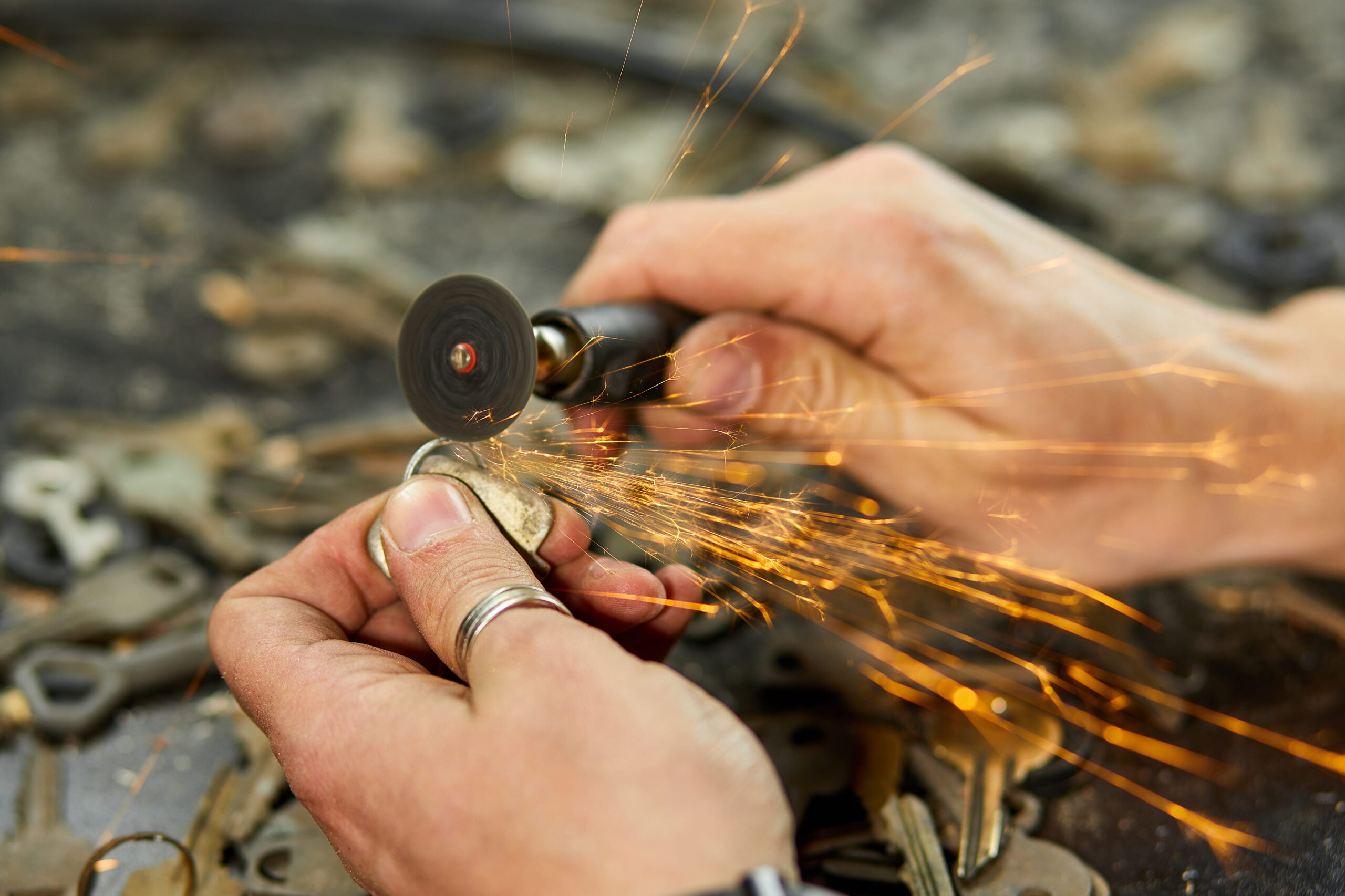
Professional locksmith services should involve more than simply opening a door or fitting a new lock. A reliable provider will assess the problem, explain the available options, and make sure the work is completed correctly.
The process generally includes the following steps.
Initial assessment: The locksmith asks about the issue, the type of door and lock, and whether you need emergency access or a planned repair.
Diagnosis: The locksmith examines the lock, cylinder, handle, and door where necessary to identify the cause of the problem.
Recommended solution: Depending on the findings, the options may include non-destructive entry where feasible, lock repair, door adjustment, cylinder replacement, or installation of a complete locking mechanism.
Clear pricing: Before authorising the work, you should receive an explanation of the expected cost, including labour, replacement parts, call-out fees, and any applicable out-of-hours charges.
Final testing: Once the work is complete, the locksmith checks that the lock operates properly and that the door closes and secures as intended.
Asking questions at each stage helps you understand what is being done and why. It also makes it easier to compare providers and avoid unnecessary repairs.
How to Find a Reliable Locksmith Service Near Me
Searching for a locksmith service near me can produce many options, particularly in a large city. However, proximity alone does not establish whether a locksmith is suitable for your needs.
Use the following checks before making a booking:
- Confirm local coverage: Check that the locksmith serves your area and handles the specific problem you are experiencing.
- Read customer reviews: Look for consistent feedback about reliability, communication, workmanship, and pricing.
- Verify business details: Check that the company provides clear contact information and explains the services it offers.
- Ask about insurance and vetting: Find out whether the locksmith has appropriate insurance and what qualifications, checks, or professional credentials they hold.
- Request an estimate: Ask for a breakdown of the call-out fee, labour, parts, and any emergency or out-of-hours charges.
- Confirm the proposed work: Make sure you understand whether the locksmith intends to repair the existing lock or replace it.
- Be cautious of unusually low quotes: An attractive initial price may not reflect the final cost. Ask what is included before agreeing to the work.
For homeowners in London, London Locksmith 24H is an option for residential and emergency locksmith assistance across the city. Contact the company to discuss your situation, confirm service availability, and request pricing before authorising the work.
Can You Fix a Lock Yourself or Should You Call a Locksmith?
Some minor issues may be manageable without professional assistance. For example, if a visible handle screw has loosened, tightening it may help, provided you can do so safely and without disturbing the locking mechanism.
However, more complicated problems are better assessed by a professional.
Consider calling a locksmith if:
- A key has broken inside the lock.
- The lock is seized, damaged, or unreliable.
- You cannot secure an external door.
- The locking mechanism has failed.
- You suspect that the lock has been tampered with.
- You need to replace a lock with compatible security hardware.
Avoid forcing keys, dismantling unfamiliar mechanisms, or attempting to bypass a lock. These actions can damage the hardware, compromise security, and make a repair more expensive.
If you are unsure what is causing the problem, a professional assessment can help you determine the safest and most practical solution.
When to Seek Urgent Locksmith Assistance
Some lock problems should not be delayed because they may affect your safety or leave your property vulnerable.
Seek prompt assistance if:
- A broken lock leaves an external door unsecured.
- A recent break-in has damaged an entrance.
- Your keys have been stolen and could be linked to your address.
- A failed mechanism prevents you from securing your home.
- A vulnerable occupant is locked out or cannot access the property safely.
If someone is in immediate danger, contact the appropriate emergency services first.
For urgent lock problems, explain the situation clearly when booking. Response times depend on your location, the locksmith’s availability, traffic, and the type of work required. Ask for an estimated arrival time and confirm the likely charges before proceeding.
Get the Right Help Before a Small Lock Problem Gets Worse
Lost keys, broken locks, jammed mechanisms, and damaged doors can quickly become more than a minor inconvenience. In some cases, they may prevent you from entering your home or compromise the security of your property.
A professional locksmith can help restore access, identify the cause of a fault, repair or replace damaged hardware, and recommend suitable security upgrades. Getting help early may also prevent unnecessary damage caused by forcing a key or attempting an unfamiliar repair.
When you need reliable locksmith assistance, 24/7 London Locksmith can help you explore options for lock repairs, replacements, emergency entry, and residential security across London. Contact the team to explain your requirements, ask about availability, and confirm the expected costs before work begins.

With strong experience in local service operations and performance-driven digital marketing, I specialize in generating high-quality leads through Google Ads, conversion-focused landing pages, and customer trust strategies. I oversee day-to-day business growth, customer acquisition, call handling processes, and service quality to ensure fast response times and reliable results. My focus is on transparent pricing, professional workmanship, and building a strong reputation in a highly competitive market. I’m passionate about scaling local service businesses through smart systems and measurable performance.