
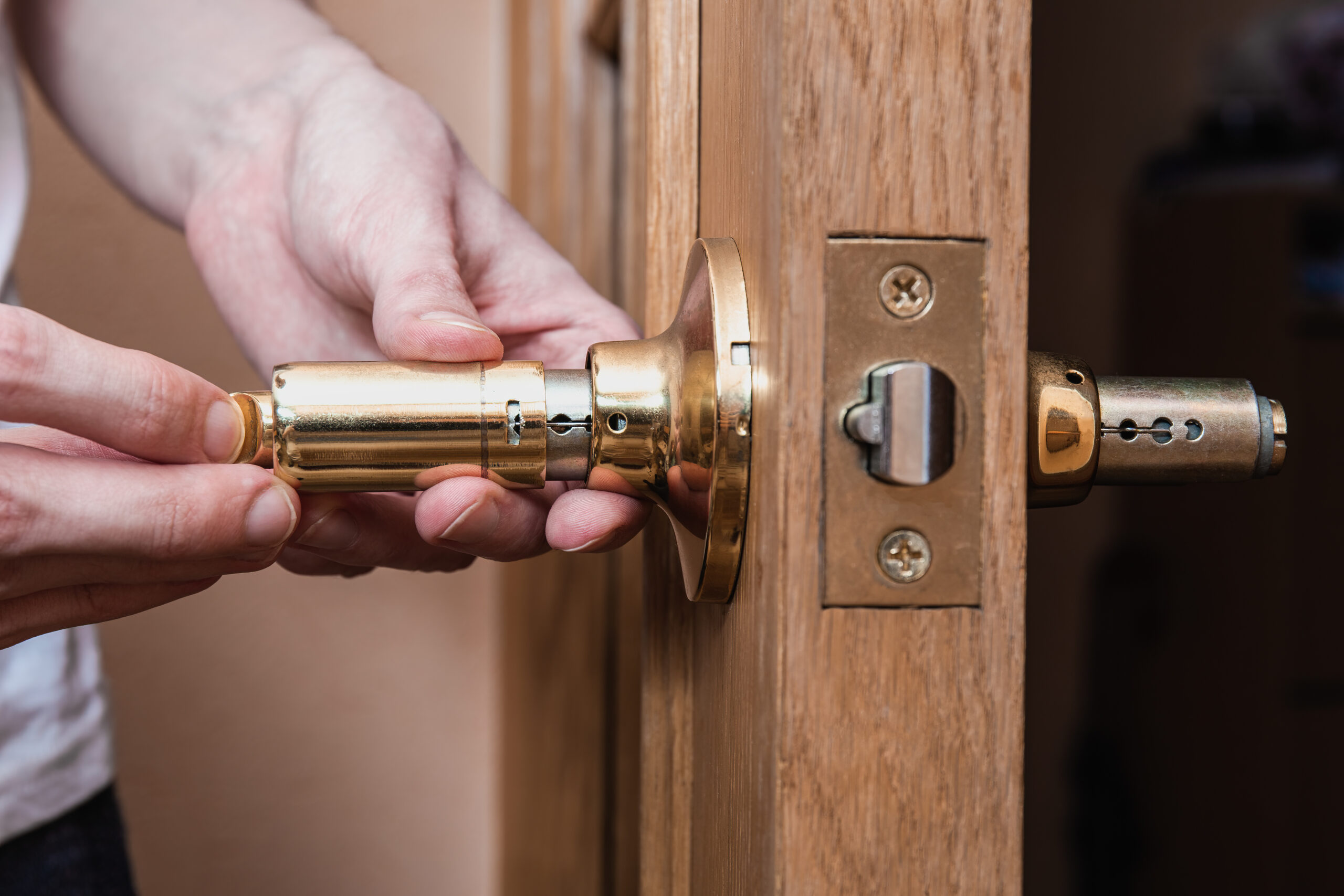
Summary: A professional lock replacement typically takes around 20–60 minutes for a straightforward job, although complex installations may take longer. The actual time depends on the lock type, the condition of the door, the availability of compatible hardware, and whether additional adjustments are required. Understanding the replacement process, the factors that affect installation time, and the potential costs can help homeowners plan their appointments and make informed security decisions.
A damaged, faulty, or outdated door lock can quickly become a security concern. Whether your key has started sticking, the lock has stopped working reliably, or you have recently moved into a new property, you may be wondering how long it will take to restore your home’s security.
The time required for a professional lock replacement depends on several factors, including the existing locking mechanism, the condition of the door, and the type of replacement hardware needed. Replacing a standard lock cylinder is generally quicker than installing an entirely new locking mechanism or correcting a problem with the door itself.
Knowing what happens during a professional appointment can help you understand the expected timescale and prepare for the work. From the initial inspection to the final security checks, a qualified locksmith will assess your requirements and recommend a suitable solution.
How Long Does It Take to Replace a Door Lock?
A straightforward lock replacement generally takes approximately 20–60 minutes per lock. However, this is an estimate rather than a guaranteed timeframe. Some jobs can be completed more quickly, while complicated installations may require an hour or longer.
The type of work involved makes a significant difference.
For example, replacing a compatible euro cylinder in good condition is usually less complicated than replacing a complete multipoint locking mechanism on a uPVC door. If the existing lock is damaged, the door is misaligned, or additional hardware is required, the locksmith may need more time.
The total appointment typically includes:
- Inspecting the existing lock and door.
- Identifying the cause of the problem.
- Selecting a compatible replacement.
- Removing the old lock or cylinder.
- Installing and securing the new hardware.
- Testing the keys, handles, and locking mechanism.
A professional locksmith should not rush through these steps simply to finish the job sooner. Correct installation is essential because an incorrectly fitted lock may be difficult to operate, wear prematurely, or fail to provide the intended level of security.
What Factors Affect Lock Replacement Time?
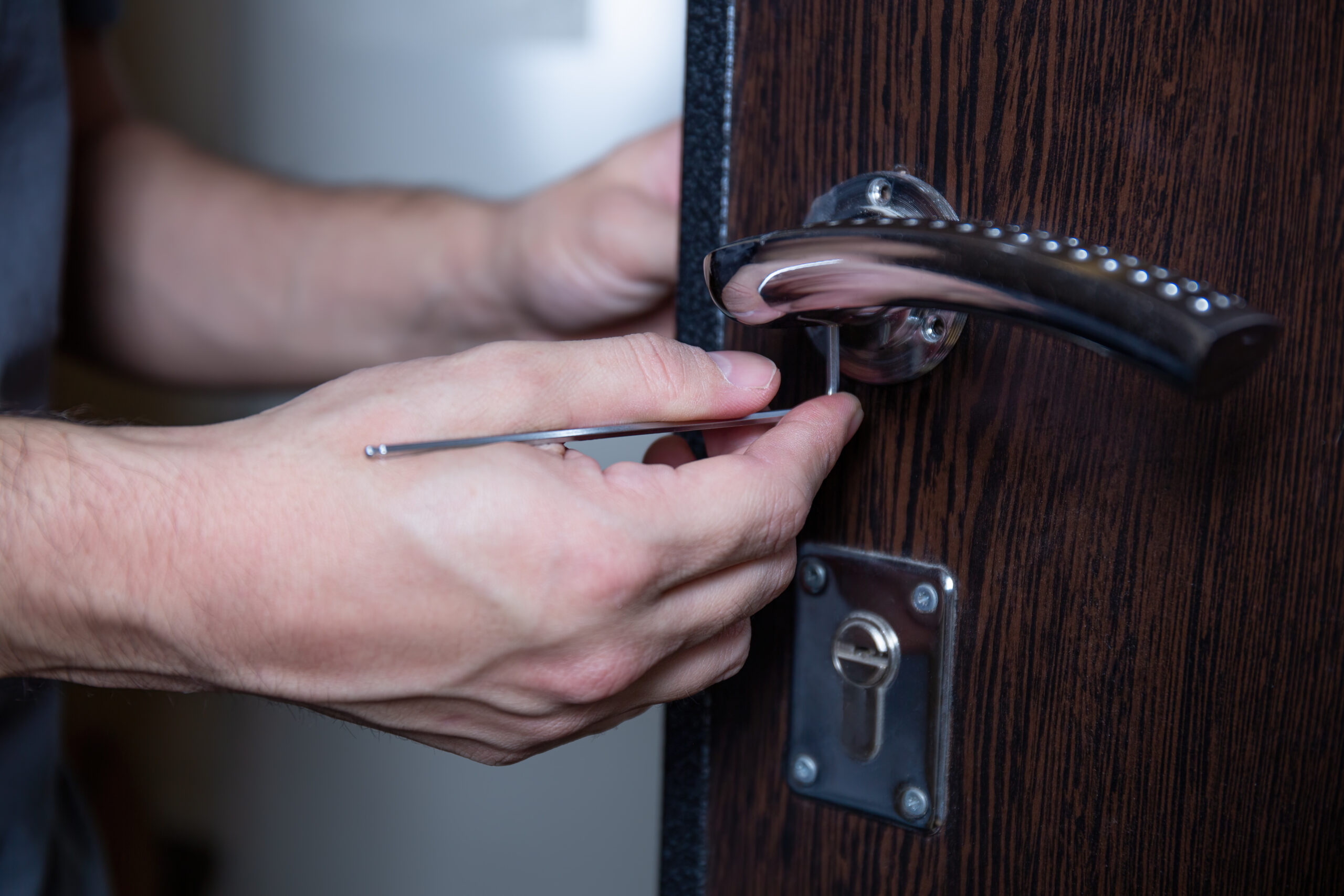
Several factors determine how quickly a locksmith can complete a replacement. Understanding them can help you set realistic expectations before booking a lock change service.
1. Type of Lock
Different locks have different installation requirements.
A standard euro cylinder, commonly found on uPVC and composite doors, may be relatively straightforward to replace when the existing hardware is compatible with the new cylinder.
Other types can require additional work:
- Mortice locks: These are fitted within a recess in the door. Replacing one may involve checking the existing cut-out and ensuring the new lock fits correctly.
- Night latches: Often fitted to the inside of an external door, these may require checks to ensure the latch and keep align properly.
- Multipoint locks: These mechanisms secure a door at several points along its edge. Replacing the complete mechanism can take longer than changing the cylinder alone.
- Euro cylinders: These can often be replaced without changing the entire locking mechanism, provided the replacement is the correct size and type.
The locksmith will assess the existing mechanism before estimating the time required.
2. Condition of the Existing Lock
A lock that works normally but needs upgrading is generally easier to replace than one that has seized, broken, or suffered internal damage.
For example, a key that will not turn could indicate a worn cylinder, a damaged key, a problem with the locking mechanism, or pressure caused by door misalignment.
The locksmith needs to identify the underlying issue before deciding what to replace. Removing a damaged lock may also require additional care, particularly if internal components have broken or become stuck.
This inspection helps prevent unnecessary replacement of parts that are still functioning correctly.
3. Door Material and Design
The material and construction of the door can affect the installation process.
- Wooden doors may contain mortice locks, night latches, or other mechanisms that need to fit existing cut-outs accurately.
- uPVC doors often use euro cylinders and multipoint locking systems. Their handles, gearbox, and locking points may need to be checked together.
- Composite doors can have more specialised hardware, so selecting the correct replacement is important.
- Metal doors may use particular locking arrangements or reinforced hardware that require compatible replacement components.
A locksmith should select a lock that suits the door rather than assuming that one type of hardware will fit every installation.
4. Door Alignment and Frame Condition
Sometimes the lock is not the only problem.
If a door has dropped, sticks against the frame, or requires excessive force to close, the locking points may no longer align correctly. This can make the key difficult to turn or prevent the mechanism from engaging properly.
Installing a new lock without addressing the underlying alignment problem may not resolve the issue.
Depending on the door, the locksmith may need to adjust the hinges, check the keeps, or identify other hardware problems. These additional tasks can extend the appointment, but they can also help the new lock operate reliably.
5. Availability of Replacement Parts
Common lock cylinders and standard hardware are often readily available. However, older doors, specialist locking mechanisms, or less common components may require a particular model or size.
If the required part is not available, the locksmith may need to source it before completing the replacement.
You can help reduce the likelihood of delays by sharing photographs of the lock, door edge, handles, and any visible manufacturer markings when arranging the appointment. Providing the door type and a description of the fault can also help the locksmith prepare suitable replacement options.
6. Emergency or Out-of-Hours Requirements
If your lock has failed or your property cannot be secured, you may need assistance urgently.
The time required for a locksmith to arrive is separate from the time needed to complete the replacement. Attendance depends on the locksmith’s location, current workload, traffic, and the time of your request.
Once on site, the actual work will depend on the lock type, the damage involved, and whether compatible parts are available.
When booking emergency assistance, explain the problem clearly and ask about the estimated arrival time, likely installation duration, and any out-of-hours charges.
What Happens During a Professional Lock Change Service?
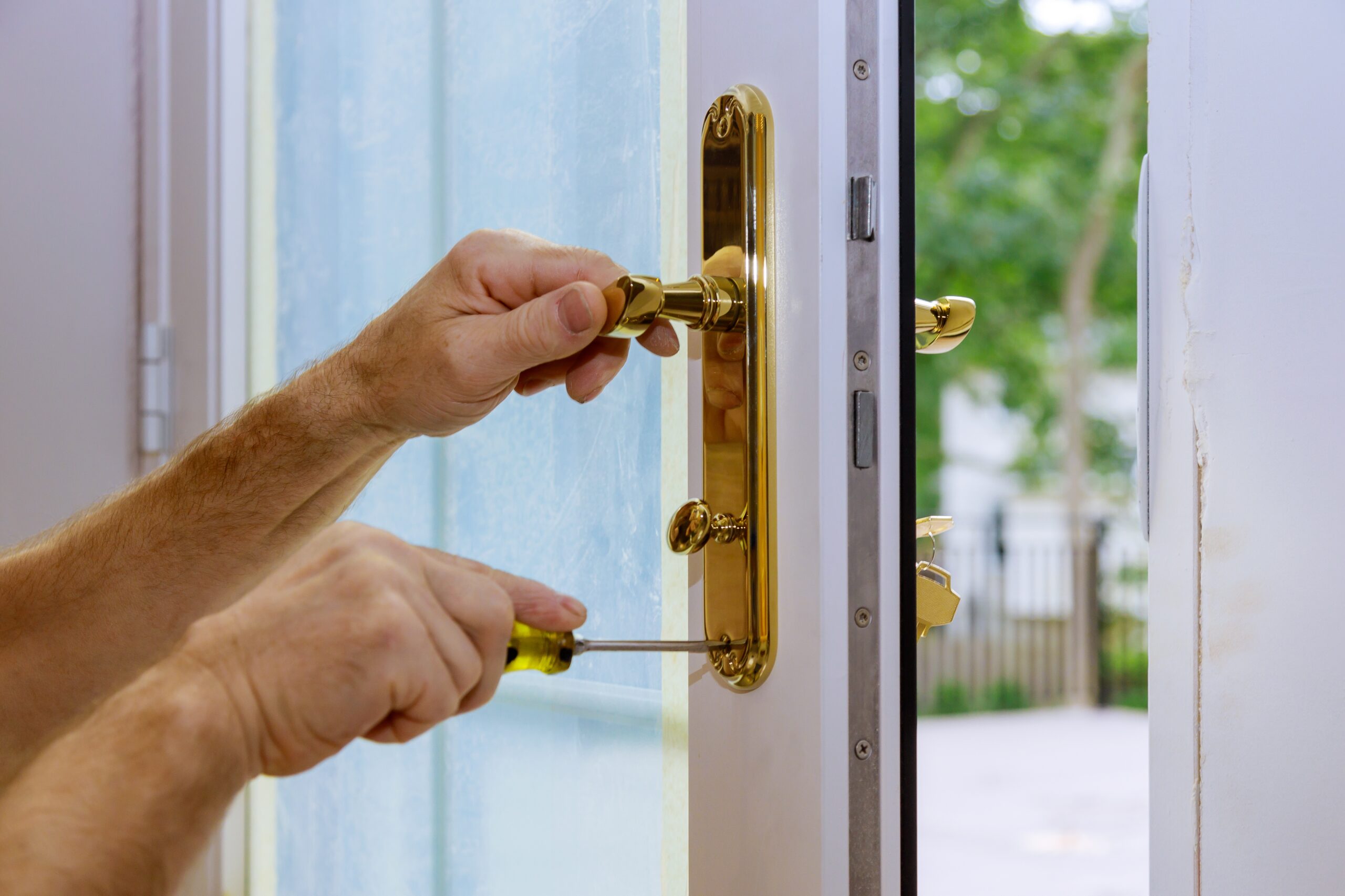
Understanding the steps involved in a professional lock change service makes it easier to know what to expect during the appointment.
Step 1: Inspecting the Existing Lock
The locksmith begins by examining the lock, door, handles, and surrounding hardware.
They identify the locking mechanism, assess its condition, and investigate any reported problems. This helps determine whether the cylinder needs replacing, the entire lock must be changed, or an additional repair is necessary.
Step 2: Recommending a Suitable Replacement
After the inspection, the locksmith identifies compatible replacement options.
They consider the lock’s dimensions, the door’s construction, the intended level of security, and any relevant insurance requirements. Where appropriate, they may recommend hardware that meets a recognised standard, such as BS 3621 for applicable mortice locks.
Before the work begins, you should receive clear information about the proposed replacement, expected installation time, and cost.
Step 3: Removing the Old Lock
The locksmith removes the existing cylinder or locking mechanism using the appropriate procedure.
A straightforward removal may take only a short time. However, seized components, broken internal parts, or damaged fittings can make this stage more complicated.
The aim is to remove the faulty hardware while avoiding unnecessary damage to the door.
Step 4: Installing the New Lock
The replacement lock is fitted and secured according to its design and installation requirements.
The locksmith checks that the components sit correctly and makes any necessary adjustments. On doors with multipoint locking systems, they may also check the operation of the handle and the engagement of the locking points.
Proper fitting helps reduce operating problems and supports the lock’s intended security performance.
Step 5: Testing the Lock
Before completing the appointment, the locksmith should test the new installation.
Depending on the lock type, this may involve checking the key, handle, latch, deadbolt, cylinder, and multipoint mechanism.
The door should close properly and lock without excessive force. You should also test the new keys yourself and confirm that the lock operates smoothly before the locksmith leaves.
How Much Is a Lock Replacement?
If you are wondering how much a lock replacement costs in London, the answer depends on the hardware, the work involved, and when you need a locksmith service.
A simple cylinder replacement will generally cost less than replacing a complete locking mechanism. However, the final price depends on the specific lock and the condition of the door, so it is best to request a quote based on your requirements.
The main cost factors include:
- Type of replacement: Changing a cylinder is different from replacing a complete mortice or multipoint lock.
- Hardware quality: Standard replacement locks may cost less than premium hardware or products meeting particular security standards.
- Installation complexity: Damaged components, difficult access, or additional fitting work can increase labour costs.
- Door repairs and adjustments: If the door or frame needs attention, this may add to the total.
- Emergency attendance: Evening, overnight, weekend, or bank holiday appointments may involve additional charges.
- Number of locks: Replacing several locks during one visit may affect the overall price.
When comparing quotes, ask whether the price includes the replacement hardware, labour, call-out fees, and any additional adjustments. You should also confirm whether VAT or emergency charges apply.
The cheapest option is not necessarily the most suitable. A replacement needs to fit the door correctly and provide an appropriate level of security. Choosing incompatible or unsuitable hardware to save money may lead to further problems later.
Can a Locksmith Replace a Lock on the Same Day?
Yes, same-day lock replacement may be possible if a locksmith is available and the required hardware is in stock. The exact timescale depends on your location, the time of your request, and the complexity of the job.
You may need prompt assistance in situations such as:
- Your keys have been lost or stolen.
- The lock has been damaged during an attempted break-in.
- You have recently experienced a burglary.
- The key no longer turns, and the door cannot be secured.
- You have moved into a property and want to change the locks.
- A locking mechanism has failed unexpectedly.
When contacting a locksmith, describe the door, lock type, and problem as accurately as possible. Photographs can help the locksmith identify the likely replacement parts before arriving.
24/7 London Locksmith provides professional locksmith assistance across London. Contact the team to discuss your lock replacement requirements, confirm availability, and ask about the expected timescale and cost.
When Should You Book a Professional Locksmith Service?

A lock does not always fail without warning. Recognising early signs of trouble can help you arrange a replacement before the problem becomes an urgent security concern.
Consider booking a professional locksmith if:
- Your key is difficult to turn. This could indicate wear, damage, or a problem with the locking mechanism.
- The lock frequently sticks. Repeated difficulty locking or unlocking the door should be investigated rather than ignored.
- The lock is visibly damaged. A cracked cylinder, loose hardware, or signs of tampering may affect security.
- Your keys have been lost or stolen. Replacing the lock or cylinder can help prevent unauthorised access, depending on the circumstances.
- You have moved into a new property. Changing the locks gives you greater control over who can access your home.
- You want to improve external door security. A locksmith can assess whether your current hardware meets your requirements.
- The door can no longer be secured. A failed lock may need urgent attention to protect the property.
- You have a specialist locking mechanism. A locksmith can identify a compatible replacement and determine whether additional work is required.
Addressing a faulty lock early can reduce the risk of being locked out or discovering that your door will not secure when you need it most.
How to Prepare for a Lock Replacement Appointment
A little preparation can help the locksmith identify the right hardware and provide a more accurate estimate.
Before booking, use this checklist:
- Identify the door: Specify whether the lock is on your front door, back door, garage, or another entrance.
- Note the door material: Mention whether it is wooden, uPVC, composite, or metal.
- Check for visible markings: Manufacturer names and lock model numbers may help identify compatible parts.
- Describe the fault: Explain whether the key sticks, the cylinder turns without engaging, the lock is damaged, or the mechanism has stopped working.
- Share photographs: If possible, send clear images of the lock, handles, and door edge.
- Ask about the replacement: Find out whether the locksmith expects to replace the cylinder, the complete lock, or additional hardware.
- Confirm the estimated time: Ask how long the job is likely to take and whether parts need to be ordered.
- Request a clear quote: Check what is included and whether emergency, labour, or additional repair charges apply.
These details can help the locksmith prepare for the appointment and reduce avoidable delays.
Get Your Lock Replaced With Confidence
A straightforward lock replacement may take less than an hour, but more complex installations can require additional time. The type of lock, condition of the door, availability of replacement parts, and need for adjustments all influence the final duration.
Choosing a professional locksmith means looking beyond speed alone. Correct installation, compatible hardware, reliable operation, and transparent pricing are all important when securing your property.
If your lock is damaged, unreliable, or no longer meets your security needs, 24/7 London Locksmith can help you discuss the available replacement options and arrange professional locksmith assistance across London.
Contact the team to explain your requirements, ask about estimated installation times, and confirm the costs before proceeding.

With strong experience in local service operations and performance-driven digital marketing, I specialize in generating high-quality leads through Google Ads, conversion-focused landing pages, and customer trust strategies. I oversee day-to-day business growth, customer acquisition, call handling processes, and service quality to ensure fast response times and reliable results. My focus is on transparent pricing, professional workmanship, and building a strong reputation in a highly competitive market. I’m passionate about scaling local service businesses through smart systems and measurable performance.